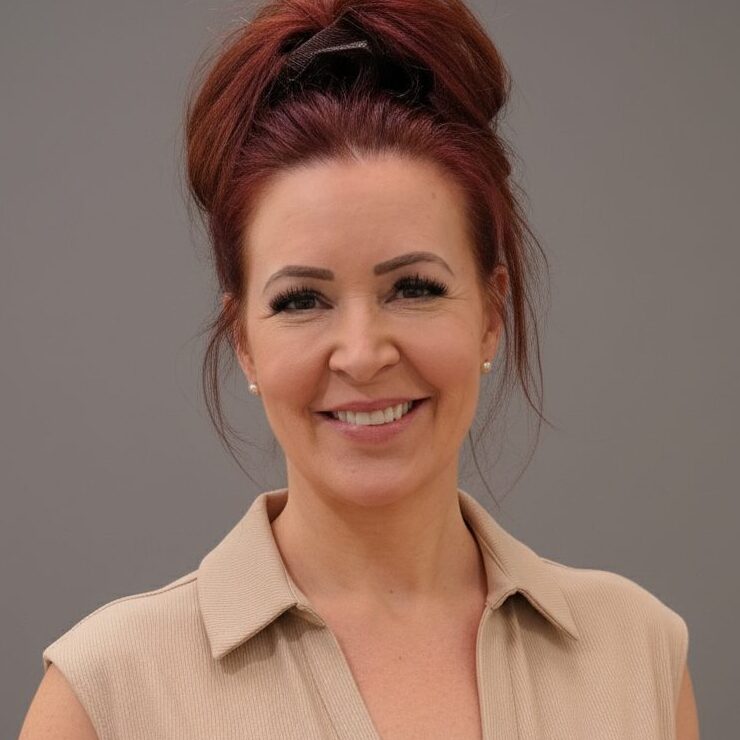
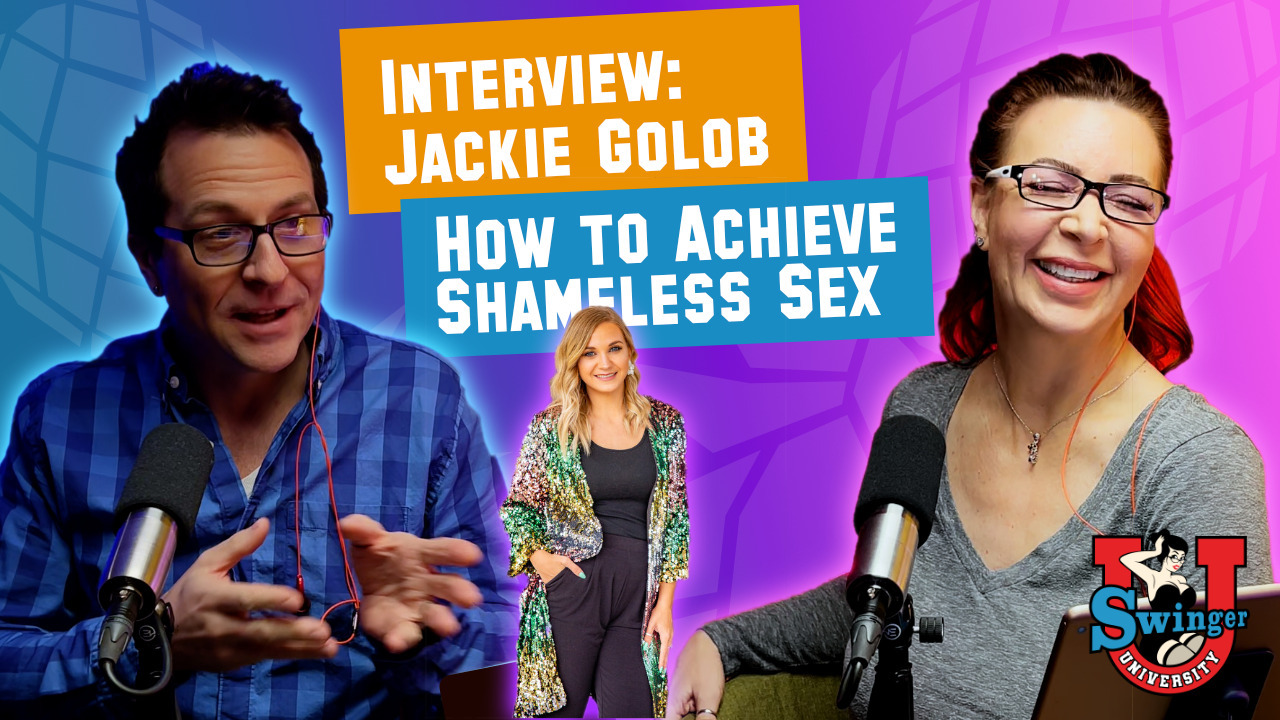
Welcome to this episode of our podcast where we have the pleasure of interviewing Jackie Golob, a sex therapist, coach, and holistic healer. Jackie is the proud owner of Shameless Therapy & Consulting Services, LLC, a practice that incorporates sexual self-care into therapy and coaching sessions with individuals and couples.
During our conversation, we delve into the world of sex therapy and explore the stigma surrounding therapy for couples. Jackie provides us with insights into the common anxiety and shame that couples may experience around sex and how they can overcome these issues. She also shares tips on how to deal with jealousy in relationships, emphasizing that comprehension is key.
We discuss the party vs. connection lifestyle and how shame can affect a person’s playtime. Jackie provides tips on how to overcome body image issues and encourages self-discovery through compassion for oneself. We also explore ways that couples can improve their communication and how emotional maturity plays a role in one’s lifestyle.
Join us in this fascinating conversation and discover how to live your best, shameless, and sexy life!
Show Notes:
- Intro
- Who is Jackie Golob?
- Which Couples are Seeking Sex Therapy
- Stigma Around Therapy
- Couples Coaching
- Anxiety and Shame Around Sex
- Jealousy
- Jackie’s Tips for Jealousy, Comprehension is Key!
- Lifestyle: Party vs. Connection
- How Shame Can Affect Your Play Time
- Shame Around Sex
- Tips for Overcoming Body Image Issues
- Compassion for Self, and Self-discovery
- How Can Couples Be Better Communicators
- Lifestyle and Emotional Maturity
- Pleasure Zones!
- Exploring yourself, and trying Kink
- Sexual Self-Help Cards
- Wrap Up
Transcript
[00:00] [Guest] Today on Swinger University, we’re going to be talking to Jackie Golobe and
[00:06] [Phoebe] Phoebe, why don’t you introduce her a little bit. Jackie is a sex therapist, coach, and holistic healer who works on
Incorporating sexual self-care into her practice with her clients. She’s the owner of shameless therapy and consulting services at
shamelesstherapy.org
Where she works with individuals and couples and sex therapy, coaching, and holistic healing practices to explore how they look
and live their best and shameless sexy lives.
Welcome to Swinger University with Ed and Phoebe.
You can sign up for her newsletter on our website where she gives out lots of freebies and be sure to follow her on YouTube at sex therapy.
Sex therapist Jackie, we will have these links in our show notes, by the way, and Instagram at sex therapist Jackie for more freebies. They’re also
Jackie also made a sexual self-care deck with questions. We love these types of little games. And so be sure to use
You can use that as a reflection tool to enhance your sexual care. So be sure to check that out.
All right, so welcome Jackie. I must say I am super super super excited to have you on today because I loved your about page and
everyone who’s listening
or watching go to her about page because it is
amazing. It’s fun. It’s honest. And I love that you’re just so real and relatable. So I
immediately connected to you because of that. And I think that’s important when you’re seeking counseling and therapy. You have to really be able to relate to that person. And in the sea of therapists out there, it’s hard. Who do you pick? Right?
[02:00] [Ed] So tell us a little bit about yourself if there’s anything that we missed. Yeah, no, thank you so much. I appreciate that. And yeah, what you think is what you get with me. Take it or leave it. So a lot of people will know right off the bat. Okay, Jackie, you’re my jam. Let me reach out for therapy and coaching from you or
Peace out, boo. Like I’m on to the next one. And who can you send me to, right? And I’m good with that. I’m cool with that. And you know, a part of my brand was being shameless to just put myself out there.
I’m a person first and a therapist second. I’ve been a person for my whole life and a therapist for a portion of that. So I think it’s just important when we connect with therapists that we’re searching online that we do feel that connection and we resonate with it. Like that’s a great time to be.
You know, how do I even know how to find a therapist near me? What do I need to do? And maybe it’s just reading a little bit more on those websites and see if that connection is there specifically. So
I am in Minnesota, Minneapolis, Minnesota is where my private practices and shameless therapy.org is where all those resources and links are to I may have changed my YouTube name to at shameless Jackie. I don’t remember off the top of my head. I’m getting more into YouTube week to week day to day and posting with one minute videos. And there’s going to be longer interviews and such on there too with different types of topics with sex. So shame, spirituality.
[03:22] [Phoebe] Any if it starts with an asset. Probably on. I love the I love the YouTube shorts because they’re people are doing them. They’re short. They’re informational. You can’t get little bits of information to digest along the way. And you don’t have to dive in deep. Sometimes, you don’t always have the time to do that. I just learned the other day that drinking eight glasses of water is not necessary. But it was like a myth.
Oh, really, I had no idea about that. It was something devised by the advertising, you know, moguls that wanting to sell, you know, more beverages. So it’s not a thing. It doesn’t make your skin look better. And yeah, see, and I learned that all on a YouTube short.
[04:09] [Ed] That’s super interesting. That’s actually makes skin look better and makes us look younger for those that are like, well, I want to get rid of some wrinkles or whatever. And there’s no shame on the wrinkles game either. Like, I get excited when I get wrinkles or if I get acne, okay, still young at heart. We’re like,
yeah, nice and wide, like it’s a back and forth.
[04:30] [Phoebe] Yeah, right.
So I, I wanted to have lots of questions. So how, how many people, what’s your percentage of people that you counsel for just in open relationships versus, you know, closed relationships?
[04:49] [Ed] Totally. Yeah. So I’m not a math person. So I was like, thinking about this little bit, I think it would be anywhere when it comes to my couples.
And individuals that are particularly not partnered or anything like that that may want to seek out, you know, open relationships.
It’s probably around 35% to 50%.
So a lot of times, yeah, I see couples that are coming in and they are trying to navigate ethical moment, or polyamory, whichever word you choose to use, right?
You do you. And then they come into me and they’re like, oh, crap, Jackie, we tried to do this. But this is really difficult. How do we navigate, you know, our open marriage now, our relationship?
And really, that’s what sex therapies for one of the many things, which I think is huge. And when I do get those individuals for couples that are like, I’m really curious about what type of relationships are important for me in the future, because I think I am poly.
And, you know, it means to love more and more than one person. And really, like, we’re all poly in different ways, whether or not we choose to admit it. Like, we can have love from all four people in our lives.
Right.
No, a little poly. So I think that’s a huge part for those folks that are coming in fire.
I’m so happy to be able to work with you prior to like jumping into something. Sometimes we go backwards a little bit.
[06:09] [Phoebe] Right. Oh, kudos to the people that are proactive. That’s nice. That’s really encouraging that that therapy is, you know, starting to really take a turn for the positive.
The people don’t just think it’s weird. And, you know, they always had such a strange, you know, yeah, I’m broken. Therefore, I’m going to a therapist to fix me.
And I mean, probably philosophically, we’re all a little broken, but, you know, we’re all just trying to figure it out. And really, you know, you guys offer all the great tools to help navigate certain situations in our life.
And when we’re in that situation, you know, we’re too close, you know, and so having that third party to separate and see and referee, like every great team has coach and a referee. So why not.
[07:05] [Ed] Yes. And I love that you use that analogy because that’s literally the one that I use with my couples. If it’s like we’re having conflict, how do we manage it here? We’re feeling like opponents. Let’s be a team.
Not a teenager. Let’s be a team here. And let’s work on some things together. Like, how can we put on the things that are here? Can we, you know, come up with some plays out of our playbugs in a way, like, how do we know the conflict in different situations and scenarios without a play for that?
It also works with pleasure too. It also works with, you know, that analogy with opening up our marriage or our relationship if we’re not married to more people or partners that we can as well.
[07:41] [Phoebe] Should we just jump right into the some of the anxiety and shame that people experience in in their sexual relationships. And is it, do you see the same for issue for close relationships versus open relationships.
And how is that changing? Do you feel like or see that people are exploring their sexuality more and they’re trying to expand and grow past the, you know, the standard box that we all think is, you know, what we should be doing in the bedroom.
[08:24] [Ed] So, yes, there’s a lot of commonalities when it comes to anxiety and shame. And also not only sexuality or gender, herring, care, race, that’s a lot of what I do as well as a sex therapist, but as well as relationships.
[08:39] [Unknown] And a lot of people in our society see relationships as just like, okay, have one partner get married, have the kids, have the house, have the dogs, do the same thing. Right. And that’s not true for a lot of people out there.
[08:51] [Ed] Yeah, a lot of people don’t want that. So we tend to assume that and when we inadvertently assume that that is a shame trigger for us. So it can come up in relationships as well. And shame is over and it’s covert. Right. So that one is more so covert, where it’s like, oh, wait, why, like I have to do a double tape. Why someone placing their values of relationships on me when really like, you have my young, right. Like I’m going to Vatsky says that and that can be applied to relationships.
And when it comes to folks opening up their marriage, more and more, I think the pandemic gave us permission. You know, I think during this time it gave us permission. We saw a lot more people like coming out being vocal. You know, there’s a lot of different things about sexuality that has
you know, celebrities giving people that permission to be seen, you know, with sexuality as well as gender, as well as open relationships and marriages too.
And I think we felt kind of stuck at the beginning of it. And I think once we can out of it more and more and more, I mean, we can technically still say we’re in a pandemic.
I think it really had people look at themselves in the mirror and say, I don’t have to do this anymore. And I’m going to give myself permission to be myself, live my best life.
And doing it the end of the day and take it or leave it. People are going to love me. They might hate me. They might dislike me. But how do I truly feel about myself?
Yeah. How do I feel about my marriage and or open marriage or relationships if I have multiple partners? And you know, it’s such a beautiful gap. And I think when couples really want to be able to work on
my Amaria as a nominogamy and take those steps, what an incredible gift to give to your partner, especially if sexuality, sexuality is a major change.
A lot of times I see couples coming to me for my partner’s marketing key and the others more than I love.
So okay, well, can we talk a little bit about this in our guards of how sexuality is fluid and it’s changing and can we have a play partner?
How does that make you feel? And there are a lot of things with jealousy that might come up, which again, she might come in with that too with, like, I feel ashamed because now jealous of my partner, I love my partner, I love my partner’s experience pleasure.
I can give them that pleasure. And sometimes that’s for that individual piece with anxiety and shame and sex comes in as well.
We work on those things and we take everyone step out of time too. And I think it’s just this piece of the past couple years or so, it has really been way more common to be in different situations and scenarios.
And that’s just one example I see quite a bit and quite often with folks are coming to therapy as well.
[11:32] [Guest] All right, we need your help so that your community, the very one you love and have so much fun with can also find our
show. Here’s a really easy way to do that. If you’re listening on Apple podcasts or Spotify, hit that follow button and leave us a rating.
If you’re watching on YouTube, subscribe and turn on notifications. We can’t emphasize enough how much this helps the
[12:05] [Unknown] Swinger community and it truly is up to you to make that happen. It makes a massive difference in whether new listeners can even find us.
[12:14] [Guest] And here’s the thing when someone searches Swinger podcast, the algorithm doesn’t care how good our content is or how long we’ve been around.
It only cares about ratings and reviews. We’d appreciate it. And your community will really appreciate it. Thanks for listening.
[12:39] [Phoebe] Yeah, and I I experienced I guess I had to analyze a lot, not a lot. Well, yeah, probably a lot.
There were some jealousy things that came up for us as well. And I had to really look at that. And I realized that in those situations,
[13:04] [Unknown] it was me really kind of just being envious because I you know, I was either feeling left out or I was envious of the
[13:14] [Phoebe] attention that Ed was getting or somebody else was getting or I was envious of the fact that I couldn’t feel
as open as these other people in the room, just prancing around in their lingerie, doing their stuff. And I was like,
[13:27] [Unknown] wow, how are they so comfortable? And it made me feel really awkward. And sometimes that jealousy feeling. But when I really started to look at it, I was like, I was envious.
[13:38] [Phoebe] And so I started to just take charge and go, well, I’m just going to insert myself in there. You know, if you know, it is getting pleasure from somebody.
And I look over there and you know, I’m feeling a little left out. Then I’m just going to insert myself in there.
I’m going to participate. Why sit on the sidelines? And for me, that that kind of helped that process to just get involved.
And so what kind of tips or tricks or things do you have that you can share with people that, you know, find themselves in these
envious or jealous situations? And I know there’s a vast array of them. How do you either techniques or what?
[14:24] [Ed] Yeah, there’s a lot. Right. And that’s, you know, I like how you talk about the emotions piece of it because sometimes it’s honestly honoring that and meaning it.
You can just say, okay, I noticed that this jealousy is here. I noticed that this envy is here. And is this potentially kind of petitioning here?
You know, can I work with these emotions? You know, because sometimes feeling as we can choose to feel that way too. And I’d be stuck in them. Or can I embrace them?
[14:51] [Unknown] And can I move some things and take those steps forward? One of the common things is really being honest and honoring your experience and know that like shame with sex, relationship sexuality, you know, it’s a never ending process because we’re constantly growing and evolving.
[15:08] [Ed] So I think it’s one of those things where it’s also incorporating some self-compassion. And Kristen, that she is a knee Michael Jordan, like self-compassion in the therapy world.
She’s absolutely wonderful. I incorporate her work quite a bit in sex therapy. And the short of it is, you know, treating yourself as if you, how you treat a friend in these moments, right?
So if in that particular example, you saw a friend on the sideline and they were like, you know, I might say to them, you know, if you feel comfortable, like, get in there, like, I see your MV, I see your jealousy.
And, you know, I’m honoring that, like, I could see you doing some things in this moment to really take care of yourself. But what do you need to do to take care of yourself and care for that support?
And I’m here to be present with you and, you know, how can I support you? How can I comfort you? And what can we do some, what can we do some things here to embrace the conditions?
How can we kind of move forward, right? And I also think it’s remembering them right behind it, like, in anything, right? What is your vibe when it comes to being in an open relationship or when you’re in tabbing multiple partners or spouses in some countries or cultures or whatever it looks like?
What is the vibe? What is the motivation? And also, what’s my partners work too? And let me remember these things because that’s important.
And that might be a foundation of potentially a relationship contract that has been worked out and negotiated in therapy or between partners and parties and the great thing like that.
And so it’s also this, you know, reminding of ourselves of noticing, okay, what is the why? Where in my body can I feel this and lead this jealousy here? How can I work with them a little bit?
Can I be a friend at, you know, can I sit and sit for a little bit? And how long is too long? And how long is it not?
And really discerning and meaning that awareness of when sharing more emotions or big feelings are in the room and noticing what do I do here?
Like, what is my game? And can I come up with some ideas and solutions? And I really think that’s tricky too after balance it.
You know, left part of our brain is logical thinking, problem solved and go go go like the prefrontal cortex at the top here.
And underneath when our make the leg gets triggered, you know, we have to self sense this a little bit.
So in that example that you share, you need to feel like, I need to take some deep breaths. I need to maybe put my hand on my chest, maybe it on my belly and do some belly breathing here and get grounded and put my feet on the ground.
Maybe I need to be able to like talk myself up and say, no one, I got this. I know what I’m doing. I’m going to embrace this. I’m going to move forward.
Like, they look like they’re having pleasure. I don’t want to have pleasure. I want some of that too, right?
So it recreates the different types of positivity. You’d be back with many merit and I really think it’s just being kind of gentle with ourselves because shame work cannot be rushed and emotions oftentimes cannot be rushed.
And when we do that, we’re building a trust floor with ourselves to then engage with other people to build and foster that trust floor when it comes to sex.
And that’s huge. And some questions that have folks ask themselves and reflect on is, why do I want to work on my shame related to sex?
What are the consequences of I don’t? And what are the pros if I do? So breaking some things down. Sometimes it’s, I joke with my clients, you’re like, yeah, you’re going to do therapy with me or go to me.
I suggest you get a journal because there’s a lot of techniques. And, you know, it’s not just about writing. Also about remembering. When people say communication is key, I think that’s yes. It’s comprehension is because we need to remember. We need to apply it. We need to practice how we play.
And when we have that pleasure playbook or communication playbook or whatever kind of playbook that might be, we can go back and use some things from there those tangible pieces.
So those are different kinds of tips. And if you can really be able to work with a provider, be a therapist or a coach that really, really, really wishes in this work, because they’re going to know how to help with it as well.
There’s all these different things happening up.
[19:32] [Phoebe] Yeah. Wow. I love that. Comprehensible. It’s true. And I, I think a lot of, there is definitely a segment of the lifestyle.
That’s very, very, very party, you know, and just kind of upper level, right? I, I imagine this. I don’t have the words for it, but it’s, it’s, it’s, it’s high. Your party, your party, right? You’re up in your, in your top part of your head. And you’re like, you know, this is all to the living and citing that, but what I, which is fine. And you need that social element to connect with people and to develop relationships and, et cetera, et cetera.
But I think what also happens is people will use substances to, to mask or to hide. I’ve seen it a lot in the chat forums where people are using things to mask and hide their anxiety.
And they’re not really in this. So they’re, they’re just kind of delaying the inevitable that, you know, something will come out. And I, and I encourage those individuals to, you know, seek, you know, seek within or, you know, reach out to, to a therapist.
Because there’s so much more to the lifestyle than just the party. Those deeper connections where you, if you’re lucky enough to find a couple that you’re really comfortable with, you can be in that bedroom, and you can go, wow, I really want to experiment with this. I want to really want to try this, but I’m really uncomfortable. So if, if I happen to touch you or if I happen, you know, to say, I, you know, I need to take a breath, would you be able to honor that for me? And we’ve used this technique with other couples.
In my room, where there’s just so much stimulus. I mean, we’re kind of out loud. How many of us are using, we used to seeing live sex in front of us, let alone right next to us where we can touch somebody.
And, and then to have sex with somebody else. I mean, it’s just, it just keeps going. And so I’m, I’m very sensory, I get sensory overload very quickly. And so I needed time to just kind of step back and breathe through all the emotions and stimulus.
That was happening because it was overwhelming. And we were doing this sober. So I was like, I can’t imagine what it was like, you know, maybe a substance would have helped.
[21:58] [Unknown] But, but I, we had a couple that was just really nice and compassionate and they totally understood. And they said, oh, yeah, you know, if you needed, needed to step back, take a breath, you need to reconnect with your partner, do it. Right.
[22:13] [Phoebe] And we did that. And we, you know, Ed and I would come back, we’d reconnect and I’d be like, okay, I’m good. Let’s get back to some other fun stuff. Let’s try this, you know.
And…
[22:23] [Guest] Here’s why we sail on Virgin. It’s adults only. No kids screaming at breakfast, no family buffet lines. Just champagne at noon, late night pool parties and people who actually want to be there.
[22:44] [Unknown] The vibe? Think boutique hotel that happens to float. Tattoo parlors, drag brunch, restaurants, you’d actually pay for on land.
Plus, when you’re looking to connect with other couples who know how to have fun, let’s just say Virgin attracts a very specific type of adventurous.
[23:06] [Guest] No wonder bread cruisers here, just your people.
We’ve tried to set that kind of baseline understanding with couples that we play with as well. And basically just go, look, it’s okay.
Like, this is your primary partner and you guys have to be 100% on board. So take a moment if you need to. And it’s amazing to watch their reaction to that. Be like, oh, I feel like you can see their anxiety.
Just like drop out of them and they’re way more comfortable and everybody’s more relaxed and the rest of the evening is a lot more fun.
[23:43] [Unknown] Yeah.
[23:44] [Phoebe] And just, yeah.
[23:46] [Unknown] Yeah, I just wish that it wasn’t as difficult to find that one partner that you can at least for us.
[23:55] [Phoebe] I think it depends on part of the country.
[23:58] [Guest] You’re talking about play partners.
[24:00] [Phoebe] Yeah.
Because they just, they come and go so quickly. So I mean, you’re lucky if you get a partner where you can kind of role play and
do work through things together.
Right.
But a lot of times you can’t and you need extra support and out.
[24:19] [Ed] Yeah.
And I think it’s great that what both of you were saying to like giving permission is huge.
So there’s this book where it’s called Beyond Shame that I just finished this week. It’s not audible. It’s great.
It talks about creating healthy sex sexuality in your own terms. And it also talks about.
You know, it does talk about like some religious cultures and different messages that we get about sex in our second kitchen and different paradoxes.
And one of the paradoxes that they were talking about was sex is healthy and risky.
How it’s like there are risks because there aren’t no guarantees with sex.
And we also need to be able to communicate and our responsibility to check in with like all partners and parties when it comes to sex.
And look for those body cues and scan and talk about those things too and check in.
And it’s also like when we do that, that’s the healthy sexuality there is noticing and noticing when consent changes in the room.
Like you said, Ed, it’s like, oh, I’m noticing, you know, or maybe feeling anxious right now or nervous.
Do we need to pause for a minute here or do we need to stop all together?
Right.
And giving those options to and like the different types of subsooters.
And I think with anxiety and sex, like sometimes with substances to like some people will say, I’m really nervous.
So performance anxiety and substances can just be kind of difficult for some people.
Because then maybe not everything properly works out.
Maybe it’s harder to mean to interruptions.
Maybe it’s hard to, you know, really experience the pleasure of it.
Yeah.
And then there might also be a little bit of like substances where it’s like, okay, we’ll find or two is an effort easy.
And I feel fine.
Like I’m not, you know, falling down drunk or anything like that, right?
But it enhances a pleasure of experience in the way as well.
And so it’s just those conversations and those different types of stimulants to be aware of or just like Afro-D.
You know, whatever it might be within the context of the environment in the room.
Those different factors are definitely important too.
[26:30] [Unknown] And just love how you go assess that because it’s definitely important to have that caution, that care, that communication.
[26:38] [Ed] It’s important to see, I always forget it.
Consent.
Yeah.
In videos that I’m making dodges.
I always forget caution for some reason with that theory.
But it’s like truly those things that are being applied to play.
And it can be applied to like any type of play or it’s back with.
It’s important to look for it because even then consent to you too.
[27:00] [Guest] Yeah.
Right.
We’ve been talking a lot about open relationships and couples who are in open relationships in the shame and the stigma.
We get it, right?
Like we’re doing something that’s kind of atypical for the norm, right?
The societal norm is monogamy or serial monogamy, right?
You’ve got one partner forever.
And we’re kind of breaking those rules.
So I get that there’s going to be some internal turmoil and some reprogramming that you have to do to become comfortable with that.
Or just you already embraced it, which is what we found with some individuals which is amazing, right?
Like they never had that wiring.
It never occurred to them that this wasn’t normal.
Super cool.
[27:46] [Unknown] Great for them.
[27:51] [Guest] So because you counsel and coach couples who are not only in open relationships, but in traditional relationships.
Do you see a higher percentage of shame or is it kind of just across the board?
[28:09] [Ed] It is across the board.
I laugh because I was just even having coffee with someone today and you’re just talking about how shame is just in all these different areas of our life.
And you know, it’s not just relationships, it’s not just sex, it’s not just communication, it’s not just gender, it’s so many areas.
And it is across the board to be quite honest.
If I were to get an individual or a couple, I was like, Jackie, I have no shame here or whatever.
You’re like, okay.
Well, what’s your secret?
What are your tips?
What can you keep that?
And I would just kind of be skeptical.
I’d be like, what do you need me for?
You know?
And I think that it’s beautiful that there are couples and individuals out there where they didn’t throw up in a shaming like
era when it comes to sex relationships, gender, sexuality, right?
So many different components.
And I think that could also be a cultural thing to depending on where in this world, like in the United States.
We are ahead on something that we are so far behind on something that we’re obsessed with sex.
So it’s like, how do we have all these different opposing thoughts and feelings about sex in this country?
It’s just very odd.
Right.
Yeah.
So it’s across the board when I see people working on a lot of different things with shame.
Yes.
[29:39] [Guest] Yeah, it’s interesting because we’ve gotten more comfortable with our open sexuality and expressing ourselves and being out on YouTube talking about these kinds of things, right?
Like we’re really leaning into it.
But we still struggle with a lot of those body image issues and performance and size and, you know, there’s still a lot of those issues that I think every individual kind of goes through in their own head.
Do you have, do you have some techniques for trying to getting through your own personal like, I guess body image issues and things, you know, tips.
[30:25] [Ed] Yeah, totally.
So again, self-compassion is a unique one.
And just even for myself, I will share I’m five to I used to wave 195.
I now I lost 65 pounds.
So, you know, it looks different on me, right, over time.
And so some of the things that I had to do because I knew how I felt about myself wasn’t just going to be physical.
It was really going to be mental and emotional.
And so with that, I think it was really just choosing not to beat myself up.
It was choosing to be able to say like, hey, Jack, you’re like, you’re beautiful.
I love you. Let me look in the mirror and tell you that every single day.
And also sometimes when it comes to body positivity, that’s really hard.
Those are really hard words for some people.
So it can be body neutrality, right?
So that would be one of the things that I would practice personally because, you know, it’s going to be, you know, be positive, right?
Like, was it positive toxicity or whatever?
And that can be shaming in some way.
Like, can we honor like, okay, Jackie, you feel, you feel like crap today, right?
And can we honor your body and just thank yourself for like drinking a glass of water?
Thank you, your body for being able to walk up and down the stairs.
Thank you, your body for going outside for a 10 minute walk, which is like feeling the wind on your face.
Can we thank your body to be able to do some of these different things?
That was a piece there.
And also accepting that, you know, I think when it comes to size, like, not just like with body, you know, genitals and different types, you know, of genitals and general, I think it’s an ongoing practice to be able to say and talk to our genitals.
Like, I’ve all about how you’re doing, looking good today.
Right?
I’m just like being able to talk to ourselves in a way as well.
And in a very, you know, passionate way and also be able to use the anatomical, like biological terms, because we might say hands and like elbow and we might be told like, oh, no, it’s the vagina.
It’s not about like, you know, like, let’s get some proper terms and let’s educate folks on the proper terms.
And there’s some pieces there.
And I would say it’s a slow process, too.
And I think sometimes with shame, we wonder, well, okay, what if I’m doing this wrong, Jackie?
Well, you’re even doing it right then because you’re tracking and human into yourself.
What’s working and what’s not working?
And what works for me, like an isle of focuses and therapy, what ideas do you have?
Because I can give you a time right off the bat, right?
And those may not be helpful.
And they may, you know, they may essentially be ones that you come up with yourself.
So there’s a lot of different things.
Visualizations is another one that I use quite a bit and quite often. So that can be, you know, I use a shameless guided image.
And that’s the exercise when it comes to working on confidence and body image.
And that and therapy, too, like a vision and imagine what it would be like to show whether you’re shameless, most confident, sexy self.
And that’s so different for everybody, right?
But just even having that bust in as a prompt out there can get the brain going a little bit.
Visualizations, too, of maybe like, maybe there’s a motivational post, uh, post, be it a quote, be it a picture, be it something.
That makes you feel good about your body as well.
[33:51] [Unknown] And when our bodies change in the age with sex, I think it’s also working on the, like, I have a sex message is deck where it’s like different reminders.
[34:03] [Ed] And one of the cards in there literally says, like, I am accepting that the sex that I have in my 60s is not going to be the same that I have in my 20s.
I love my body anywhere. I’m learning about my body, but something like that, right?
So I think it’s also this idea of we need to normalize in society, too, that this is not just for young 20 year old able body people like sex is for everybody.
[34:29] [Unknown] And every, every person.
[34:32] [Ed] Um, that’s a lot of different.
Yeah.
[34:37] [Phoebe] I think that’s really important.
I love that you brought that up about sex changing when you’re 20s and in your 60s, you know, and in between.
A lot of people that are in the lifestyle, although the younger generation is jumping into it now, um, more so than than before.
But typically it’s been the, you know, the couples that have had their kids, their kids are moved on their empty nesters, they have expendable income and they want to do something fun and different.
[35:08] [Unknown] And, but also, you know, those women are in period menopause are menopause.
[35:14] [Phoebe] And so now there’s all these hormone issues and changes within your body and your mental state and how you feel about your body and what your body is doing and the changes that those occur.
And it really messes with you and it’s, it’s, it just adds this exponential factor on top of trying to navigate and open marriage.
And so having started swinging, I think when I was very menopause.
And then now in menopause, it was like, oh my gosh, with a challenge and having to be compassionate to my body and myself to go, you know, I just don’t feel sexy today.
My body, it just feels like it needs rest and you know what, it’s okay if we don’t go to that, you know, it’s my party.
It’s okay if we cancel that day because why force it, I’m not going to, you know, right, I’m not going to force something that I’m just not feeling and, and that I think that compassion and there’s just so much about swinging that’s about the self and self discovery.
And then again, with your partner, it’s just huge and that’s what I love about it because I’m constantly growing and changing and I’m like a sponge, I want to know it all and you know, I’m always learning things about myself and swinging and opening our relationship has just expanded this whole other world to me and things that I worked on in my 20s through 10 years of.
Therapy, I realized, oh crap, you know, that was pretty deep seated, you know, the sheds and what nots from society, that little piece of still there, I guess I got to look at that again and that’s okay, you know, yeah, we’ve found that the things that you may have resolved.
[37:09] [Guest] Personal body issues, relationship issues, they change and having to re-resolve them when you get into a different dynamic, right, it’s like the context has changed.
[37:22] [Unknown] So now you have to look at that same issue from a totally different lens, context is crazy what it does, like you may have been able to have sex with the lights on with your partner.
[37:35] [Guest] Now that you’ve got six people in the room, that’s not a little different, right, like everybody can see you now, not just, you know, it’s all right, if she sees or he sees it’s yeah.
Hey there podcast listeners, you’ve been tuning into our episodes, but if you ever wondered about the steamy details of our adventures or maybe hungry for some sultry erotic stories.
[38:04] [Phoebe] Well, guess what, we’ve got something special just for you, our exclusive Patreon page, it’s like a VIP pass to the saucy or side of our world.
[38:15] [Guest] So if you’re ready for an exclusive behind the mic experience, head over to our Patreon page now, trust us, this is where the magic happens.
[38:25] [Unknown] See you there patrons.
[38:32] [Ed] Right, and that’s the part about like the body changing and health and some different kinds of things, I don’t think, you know, 30, 50 years ago, I think sex therapy is honestly a newer field.
And because of that, I want to learn and absorb everything to and also a part of the therapy work truly is bibliotherapy, because 30% of the reason why people come to see me is sex therapy, you like disorders diagnoses symptoms are health related.
70% mental health related, and so when I see folks that are coming to me, you know, sex maybe later on in life, they’re like, well, have you worked with a couple like us before, what resources are you looking for?
How can I help, you know, some people are like, well, I’m past 50, so I would like resources on sex after 50, make it at our age by Joan price is a really great one.
Joan price is amazing, we’re talking about body changing and sex changing, aging, and we were talking about like perimenopause, menopause.
What fresh hell is this by Heather Carina is an amazing fascinating book.
Personally, I say listen to it versus read it because the book is actually very entertaining with the education and the phrasing.
The last piece of it too is andropause, and that is more so men whose bodies are aging around age 40, like a little bit earlier and during that time and after are also going through changes and so a lot of times when I work with men in therapy, they’re like, why does it take me so long to have an erection or maintain interaction.
And people look at some things like we look at getting a thyroid test tracking T levels, making sure you’re getting your annual physical.
If you are experiencing with alcohol or drugs, that’ll definitely influence sexual libido, you know, eating habits lifestyle habits exercise, like if you are exercising, that’s a great way to get blood flow to genitals.
[40:42] [Unknown] There’s a lot of different factors and things and sometimes like, yes, there can be a met for that.
[40:49] [Ed] And that’s great. And sometimes plants are like, I don’t want to take another match, but I’m over it.
What can I do naturally to pump up my libido and ask would you talk a little bit about some natural remedies and holistic healing kind of.
[41:04] [Unknown] Oh, nice. Yeah, I like that. I like that. I don’t know about that.
[41:11] [Phoebe] I want to also know how couples can listen actively and compassionately to their partner.
[41:22] [Unknown] Are there ways that you could, suggestions, do you have suggestions, ways that they can do that?
[41:31] [Ed] I’m a technique. I don’t know. Is it? Oh, hell, yes. I have a lot.
So I talk about shameful versus shameless communication skills. And here’s the brief breakdown like shameless communication skills 101.
So ask how come instead of why ask or use the word and instead of but say could instead of should.
And say, I instead of you, watch any reality TV show real households, you should do this. You should do that.
Okay. Well, now I want to fight you, right?
We get triggered then. Those responses immediately put your partner or other people in your life on the device.
So that’s like the shortest ones when it comes to shame, lame language. And we want to blame somebody else.
We’re going to get that response back. And so that’s something where there’s a lot of techniques.
Sometimes it’s journaling even. And it’s repeating back and forth. John and Julie Gottman, they do a lot with couples therapy.
[42:35] [Unknown] And they they wrote the book like, I don’t remember 10 principles for making a marriage work in a perfect dates.
[42:42] [Ed] And they talk about really writing and listening and queuing in can be helpful for some people.
Um, honestly, I say get off technology and turn your phones off, get away from screens and do some things around comfy communication.
If there’s some hard topics, the conversations that are coming up and also ask for consent and boundaries.
So if I want to have, um, let’s say my partner’s name is Matt and then like,
Hey, Matt, I would really like us to have a conversation later about the last time we had sex.
Um, you know, I’m thinking it could maybe take around 20, 30 minutes, depending. It might be more, it might be less.
Do you have any capacity to emotionally be available for me like tomorrow or today, even at this time for this time, right?
And, you know, Matt might say, yes, absolutely. Matt might say no.
Can we hold it off until this day and this time or Matt may not even give me a response or an answer.
So then it’s on me to be able to say, hey, if this is really important and holding myself accountable to, you know, my sexual boundaries.
If it’s a conversation about consent or something changing, right?
Well, Matt, I want to give you a couple different times here for us to be able to talk. So A, B, C,
physically fit one for me. I would greatly appreciate it. It’s really important that we discuss this, right?
And I also think it’s, um, important. I see a lot of couples. Well, I don’t want to trigger my partner. Well, you know what?
The partner is in charge of their self soothing techniques and strategies such as like,
you know, maybe being able to have a glass of water, maybe have a weighted blanket that can kind of make you feel grounded and cozy or comfy.
Going to a space and home where it feels like we can have comfy communication and conversations there, right?
And also to be able to have that intention of what do I need and what don’t I need?
And I do this a lot with relationships in my life. Like, hey, I just need to vent for a minute here.
And people that I’ve talked to about that that don’t advice give don’t tell me feedback.
Just need to vent and get this out, right?
And if I’m asking for feedback and I don’t even like the word advice because it’s shaming and we automatically think,
oh, I can just tell you what I think. And I don’t, I don’t use that word as a therapist. I use feedback.
And we unsolicitly give advice when you don’t need to we try to help and then we can shame right off the bat.
So I might say, hey, I need to be back on this. Do you have the capacity for a five minute phone call later today at this time or this time, right?
There’s some pieces there.
I also think when it comes to couples listening actively and compassionately to their partner, it’s also important to understand and learn if they have been taught.
But empathy as well as, you know, what their partner needs when it comes to emotions and communication.
Kind of like I said, some people like with a handbrain, so prefrontal cortex problem solving, forming sentences.
This is our fight fight breeze here. The survival instincts back here underneath that is the amygdala.
[45:54] [Unknown] But I am triggered and I’m just like, I need to vet right now. My partner’s coming in like this argument conflict by not going to get better when I need my partner to be here with me, right?
[46:07] [Ed] So I need them to sit in the emotions with me.
And then I need to be able to sue my emotions to be able to then come back and see if I need to problem solve for we come back later and pause it and come back another day when I’m ready to have that round to the conversation.
It’s good to be taught accurate empathy. Have those conversations of what you do need and what you don’t need to be in the partner.
I’m starting those kinds of shameless communication skills. And that was a brief way actively listening like show eye contact.
And I know that can be difficult for some people and cultures.
And also eye contact is difficult. Can you shake your head? Can you say like, okay, I’m going to give you a thumbs up. I’m listening and I’m just going to be taking notes like, okay, I’ve got it. I’m tracking the deal.
So that’s a lot of things, you know, shame and communication.
[47:02] [Guest] Oh, yeah. I liked the technique that you recommended. And I think we’ve had good experience with that in terms of kind of preparing your partner for the general subject so that they can they can either get into that mind space to have that conversation.
And it’s some of that the venting. I just need to vent. That’s great because it basically sets up, okay, what’s my part in this conversation? Like what are the expectations?
And particularly the preparation for down the future, it’s not coming up to your partner and going, I need to talk to you in about something, right?
That immediately sets you up for like, oh, what did I do wrong versus the it’s not that big a deal. Don’t like get all anxious about it.
We can we can work through this. It’s just something I need to talk to you about. And you’re like, okay, yeah.
Hey, we got a minute. Yeah, yeah.
We had some time aside tonight, you know, hang out on the back patio and yeah, talk about our day and I think most of our really good conversations that we had early on in the lifestyle were those kinds of conversations where it was just
an hour in the backyard sitting next to the little fire that we had set out there and just processing stuff. And it was it was expected that both of us were going to have some emotional component to the conversation.
And that set us up for that empathy that it’s okay. Like your feelings are valid. My feelings are valid. Let’s just talk about our feelings and figure out where we’re at.
[48:45] [Unknown] We’ll solve this together.
[48:49] [Ed] Absolutely. And setting that intention to write like I think so many times we’re worried about triggering other people.
Who does that serve? Probably nobody in the situation to be honest. So it’s okay to say.
I don’t want to trigger this and I feel it is important to talk about this because like lately also leaning in with those intentions too.
[49:14] [Phoebe] It’s a lot of emotional maturity swinging I think because it stretches and challenges the relationship and the ability to to be honest and vulnerable with your partner even though you know you may have been with them for years and years and years.
I mean having you know saying it out loud you once you say something out loud it makes it real you know and saying out loud your partner you know I really would like to experience sex with other people and to say that out loud and not have your partner get up and leave the room.
Like you know that’s your greatest fear right that they’re going to just you don’t really know what they’re going to you think maybe they’d be okay but you don’t really know and so it’s not until you put it out there.
Scary and then you know to have to do that and then and then deal with that and yeah so we’ve had a few of those moments they were scary moments but we’re still here.
I got through it we got through it.
I want to talk about the different pleasure zones and how couples can focus on that whether they’re just in their own bedroom or maybe they’re you know with another couple what are these what are these pleasure zones want to know.
[50:37] [Ed] So I’m going to work backwards with this question.
The whole body is an origin of stone I know Monica Geller on friends was like seven seven seven and there’s only seven names.
Yeah the whole whole whole body is an origin of sound and I think it’s important to know that this changes based off of every person and every one’s body like everyone is different.
So what you might like partners me not what you might like your spouse me like in base versus that’s okay one isn’t better than another no it’s just helpful to understand that you know it’s a whole body experience and to also make sure we ask for consent before we touch different areas of the body to.
So first people definitely individually need to focus in on their bodies before telling a partner those areas and doing some body mapping.
And that’s a part of solo sexual self care that’s being intimate with ourselves where we can explore the parts of our body that are those pleasure zones pleasure enhancers.
And then it also goes back to like this idea well if I don’t understand my body and how am I going to expect a partner to understand my body I’m going to be able to communicate that.
But then it does go back to that communication piece a little bit and then being able to practice this in the mirror to a lot of times I will say go masturbate in the mirror learn about your body learn about areas.
And I don’t just me just go for the genitals know I mean like focus on everything if you want a couple different exercises are like I like home sex exercises in your masturbation can you add in like a feather can you add in the paddle can you add in some other sensory types of things for stimulation can you use you know your sex to I want not just on your general but on other areas of your body to right.
So there’s also some pieces to play around with that and just to remember that like our partners aren’t mind readers and that’s the thing that we have to be mindful and pay attention to come back and communicate and that’s why I think the journaling of that is a great exercise when we do body mapping with pleasure zones and areas of the body.
And then we’re able to communicate and relay that message back.
Common pleasure zones right so for some people even people getting like head tickles scratching that can be relaxing for lots of people right it can we’re going from head down like kissing the neck for some people people like.
Also near as little nibbles or even like sticking on in someone’s ear me personally I like that my partner doesn’t like that right so again goes back to that idea of your partner and or.
spouses bodies are different than yours but that’s a piece mindful of and to see if you can do this exercise together and multiple times in the future because the body we are especially evolving and actually we were being so that’s important to be aware of too.
eye contact can be a pleasure a pleasure so for people if I were to you know sit across from my partner some people will.
Believe it’s contracts back they will sit in a partner’s lap and they will do this eye gazing activity for two to three minutes and try to go back and forth and communicate.
You know there’s a thing just with their eyes nothing out and that can be a pleasure so there’s some people they need to do that.
Um first like kissing right and tongue no tongue because of that might be that is a pleasure so sometimes that can again be enhanced like some people might like sort of rough up like to be roughed up a little bit and like around like.
Push me up against the law white kiss and like get your whole body into it put your chest on my chest.
That’s a huge compliment for some people still.
Um breast and nipple plates can be really sensitive for some people and people can have nipple orgasms right like that can be you know from.
Um you know like tongue stimulation that can be from like sex toy stimulation that can be from a sex try that has like the tongue in it stimulation nipple plants that can be from a lot of different things.
Well, even being tied up and then having the breast be like very very tied up and like tight around and such that can enhance nipple play pleasure to.
And that can be very sensitive for some folks like one of those areas proceed the caution and just always continue to ask partners about this for some people kissing along the stomach that may be pleasurable.
Brothers and they that’s really ticklish some people might be like, Oh, I want to amp that up and for like hot budge on my partner here and like it off or do some like.
Like use food when it comes to say use some different types of things.
Um as well as you know energized can really be a big one the kind of like slapping or padding for some people right some vulva owners have like reported that.
That enhances like internal vaginal pleasure from what I’ve read.
And just overall pleasure from like spanking a little bit on the inner thighs and then also like underneath the buttocks for there’s a little bit more fat like that part of the butt where there’s more fat there and it’s essentially like a little bit more round and maybe.
I might say that might be more pleasurable for people to think right under here.
Um other pieces obviously the clip of the penis the test is the vulva labia menorah that Majora the giant not like all these different areas can be enjoyable as well as anal play two and for some people anal play for them some people may be like okay I want anal penetration other people you know they may be like I just want you to occur.
Us like around like it’s a button or whatever maybe I want to see or maybe I want to maybe I want to a vibrator or maybe I want something like anal vibrating piece never at night.
That could be a rousing for some people’s brothers maybe not as much and they’re also different orgasms and you have to.
Well it’s oral nipple orgasms or exercise orgasm orgasms is one of them that people will call that at the gym as well some people will admit to having orgasms at the gym as a shame and embarrassment and it’s it’s happened for folks.
As well as the back of the size you know the calf or some people feet can be a really big turn on to because the part of our brain it’s common for folks to have foot fetishes and I get that question a lot.
It’s because the part of the brain where the feet is next to is like the pleasure part like the signal where the feet get pleasure in the brain is next to a pleasure part so some people have fetishes but fetishes because of that and it might be a little bit bigger that slammed in there.
So some people are more aroused by this some people are like don’t you dare touch me because you’re going to get kicked don’t do it and that can also range and change like it’s not just the this or that there can be that whole middle but it’s really like the entire body is.
It pleasures on and sunset focus sex is something that I will do because desire to scrap and see for couples isn’t the only thing that I do see for couples.
But we will do sunset focus pleasure activities which really is a lot of body mapping but it it starts with like coming up with four weeks of the game for me and it starts with just kissing clothes on.
Then it’s kissing and like being an underwear and then it’s kissing being able to cross the body don’t have like any more gals or anything like that because it’s just going to increase that pleasure and that desire and the week four is you are able to have sex and everything.
So a lot of times it’s slowing down the process.
[58:47] [Unknown] I like that and I think the thing about that exploration with your partner but also with yourself helps you figure out which zones work for me and I think if you if you don’t know what your own zones are.
If you don’t know what turns you on because you haven’t played enough it’s going to be impossible for a partner to figure that out.
[59:18] [Guest] It takes time to figure that out but if you can communicate that and this is something we’ve been talking about in a lot of our episodes lately the ability to tell your partner what you like and what you don’t like.
[59:31] [Phoebe] I like several things that you brought up one about if you’re if you’re going to explore somebody else’s part of their body so in a place situation the one thing that came to mind was someone had a foot fetish but they didn’t ask first so there was no consent given my foot was in the air because I was on my back and I was being pleasure but then all of a sudden you grabbed my foot and he decided to shove one of my
toes up his nose and then he said your feet smell too clean.
And I was really confused because I didn’t know about foot fetish.
I didn’t I didn’t understand what he was doing first I thought he was just itching his nose with my toe until you wanted to shove it up his nostril.
And the moment I was kind of like okay this is a little different you know but then when he went on to explain that my you know foot smell too clean and then I was offended and I was and then he went on to explain how his other girls will wear their shoes for you know all day or several days until they’re nice and smelly and that really turns him on which I appreciated the information because it was interesting and fascinating I learned something new but in the moment I was like
now I just feel like I’m like useless to yourself for the work done with this experience.
And then I got up and I want to go play with somebody else but I it’s interesting how that body pleasure and then I don’t think it is explored enough in the swinging world.
I know that the swinging world and the king world are very separate.
They cross a little bit but they don’t and some of the the experiences I’ve had where you got someone who’s very much into kink and they would bring their toys with them to a swing or party.
I’ve had some really nice experiences trying things that I never thought I would try.
You know I’m like nipple clamps I just thought oh those are just going to be you know too painful but the type that they had were great.
I would have never sought that out unless that person wasn’t there unless that you know I wasn’t at that party or slapping the nipple with you know a paddle didn’t think I would like that.
Or you talked about between the legs you know that the tapping of the vulva someone did that with a soft flogger on me and I found that incredibly arousing.
Who knew I didn’t know that but I don’t even know if I would have been able to communicate that with Ed we didn’t even have a flogger in our house at the time so like sometimes you know it takes that.
You know that other person in that different environment for experimentation and consent and for fun things to just happen and that’s that’s that’s occurred many times when we’re playing is.
You know we we discover things all the time that we just never thought of because you know you it’s just the two of you can’t think of everything right.
And that’s again once again what I love about the lifestyle and being able to express and experiment and now I’m thinking we need to get cross over to the king world.
I’m super excited about all these other things that you were talking about is like you know that could be some other fun pleasures to experience.
[01:03:13] [Ed] Absolutely yeah and it’s like even with some of those things too I think they came for all I think we can learn from it you know the vanilla community is the party community the swing community I think there are so many people in this world that can just learn from the came community and learn from you know how do we have and navigate conversations about sex how do we check in with each other how do we have.
It’s like I’m safe words with my clients during sessions like if i’m going to deep with like what we’re talking about about what we’re processing today what’s your safe words like use that with.
And then something that they’re going to be able to apply outside of session like an upload with a play partner or during a scene or whatever at night and you know it’s practice I play right and I think the king community.
We really really models conversations around consent and caution and care and risk and awareness just so beautifully that I think anybody can really benefit from just learning those different types of principles and one of the things tools and resources that I love both are two.
One is like a yes no maybe checklist where it talks about is this yes is the snow is this maybe and is this giving where is this receiving and so in sessions with folks I will ask follow up questions because again the body is a whole pleasure someone and that’s important because there can be different types of sexual acts like spanking for example right where what parts of your body are on our.
[01:04:46] [Unknown] limits with that right because this could go deeper and further and further and further and that’s a nice tool and I also love the questionnaire where it’s like there’s a short version and there’s a long version of folks want to be able to check this out and it’s completely private to put the privacy settings on there to fill it out it’s.
[01:05:04] [Ed] It’s the BDSM in king questionnaire what sexual deviant are you and it’s really interesting because it shows people can to be like oh i’m more keen to that I thought it was and it’s like yeah so what do you think.
[01:05:18] [Phoebe] Right and that nice conversation around it yeah well I think we’ve answered everything we want you’ve answered way more than what we we anticipated it and I love it because this this episode is just packed.
Full of all kinds of great stuff we’re we’re going to put a lot of markers in this and and subjects because we covered so many great elements that I really want to share with everybody but I want you to talk about your sexual self care deck of questions with questions because you touched on on a little bit and I kind of got a glimpse of what they’re like but I need more explanation of what those are.
[01:06:00] [Ed] Yeah so essentially it’s kind of a pick a card for that day that week or a couple days if you want to explore solo sexual self care so there’s different types of sex or sizes on there so it’s not just like masturbation it’s not just whatever it’s really questions about intimacy pleasure and sex and so my deck is really used for reflection it has different types of questions on there.
It has different kinds of things when talking about sexual health and moments like one of the cards on there is like oh STD STI check once last time I got a check up right.
One of them is personal Loub and it talks a little bit about the different tapes of Loub like which ones the safest which one to not use condoms which ones not use a sex toys and experimenting with Loub a little bit more and figuring out you know thinking about I made a real about this yesterday on Instagram because it applied to sex.
It applied to sex toys too but it also applies to Loub like what is the purpose what is the price point that you want to be able to pay for Loub what type of pleasure because there’s different types of loops or different kinds of things right or what kind of play in those kinds of questions there there’s also questions about to like mirror work when it comes to like what are some different things that I can tell myself in the mirror when it comes to sexual confidence and how to show up as like my shameless self competently.
And so it’s really about you know there might be things in our mind it might be some body and there’s things in like our soul is actually that we really need to be able to move in on a little bit more and so it’s guidance to be able to use as a reflectionary tool I am going to recycle it into a workbook as well.
I don’t know when that’s going to happen but it’s going to be nice to be able to have that kind of journaling aspect with it too for folks that do want to be able to like pick a card follow up maybe with those questions and write a little bit more for sexual self care so there’s a lot and there there’s a lot of different sex exercises for intimacy sex and pleasure and I just thought that it’s a resource out there for both and I love using that and they’re being coaching with people and being like should we end on one reason they’re like yes and it’s like okay.
Yes and it’s like okay, there you go, mirror masturbation that’s what you’re doing this week.
[01:08:14] [Phoebe] Let’s check index week how it went nice nice now are these your cards are they resource that’s already out there and how do people get them.
[01:08:22] [Ed] Yeah, so they’re my cards so they’re at shameless therapy that order in my self care shop that I have online I only ship them four times a year just because it’s easier to get bulk of the product that way.
So the next shipment date that people can receive them I believe is April to May I would just double check it says on all the cards like in the description to because I have a couple different texts up there as well or reflection.
[01:08:49] [Phoebe] Good.
Thank you.
Perfect.
Well, thank you Jackie we so loved having you on the show today I mean this episode like I said before is just packed full of all kinds of great information.
I’m so happy to share with all of our listeners and is there anything else you would like to say.
[01:09:10] [Guest] No, appreciate it.
It’s nice to have a different perspective and a different voice and here’s some really solid like communication and relationship advice especially surrounding sexuality because.
As you said in this society we’re not really good about talking about sex and it’s it’s nice to have some tools to be able to talk about it with your partner and with potential partners.
[01:09:38] [Ed] Thank you so much for having me on here to people can definitely get those freebies when it comes to special self care communication if they sign up for my newsletter and follow me on those YouTube and Instagram platforms as well.
[01:09:51] [Guest] Perfect fantastic.
[01:09:53] [Phoebe] Thank you everyone.
[01:09:54] [Unknown] Oh one last thing before you go if this episode helped you in any way the single best thing you can do to support the show is leaving a rating and review.
[01:10:16] [Guest] It takes 60 seconds and helps new people find us when they’re searching for relationship education and we’ve made it easy.
Visit SwingerUniversity.com forward slash review all the instructions are there.
Thank you for being part of this community we’ll see you again soon.